
1.8 MHZ High-Pass Filter – For Receivers only or QRP radios – 10 W max
39,90 €
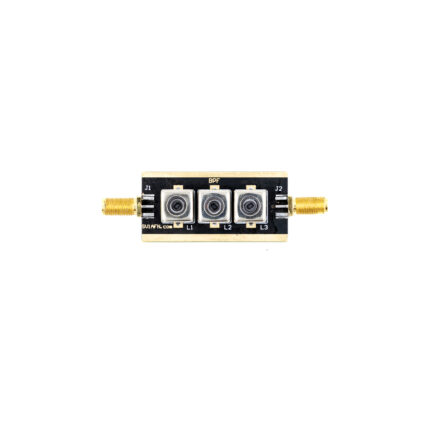
1.8 MHZ HIGH-PASS FILTER – For Receivers only (or QRP radios – 10 W max)
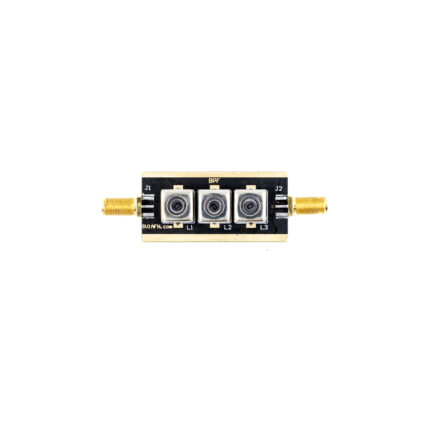
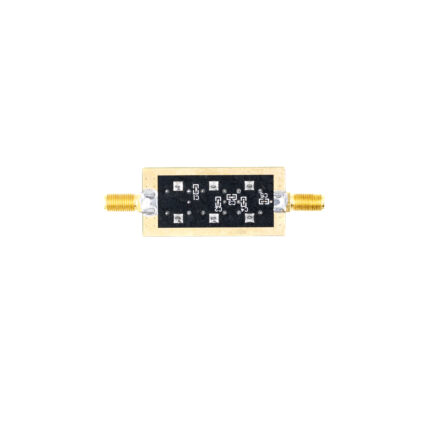
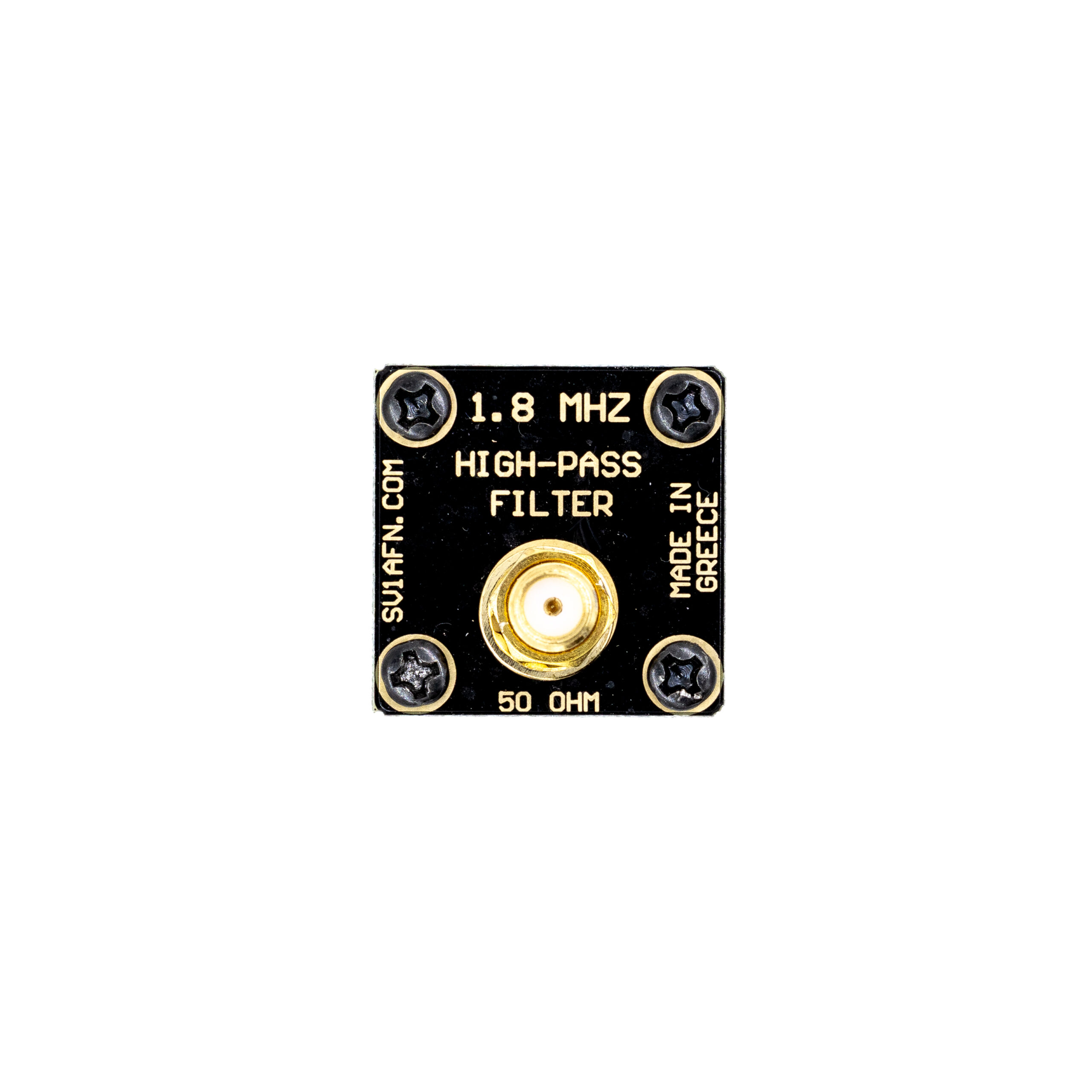
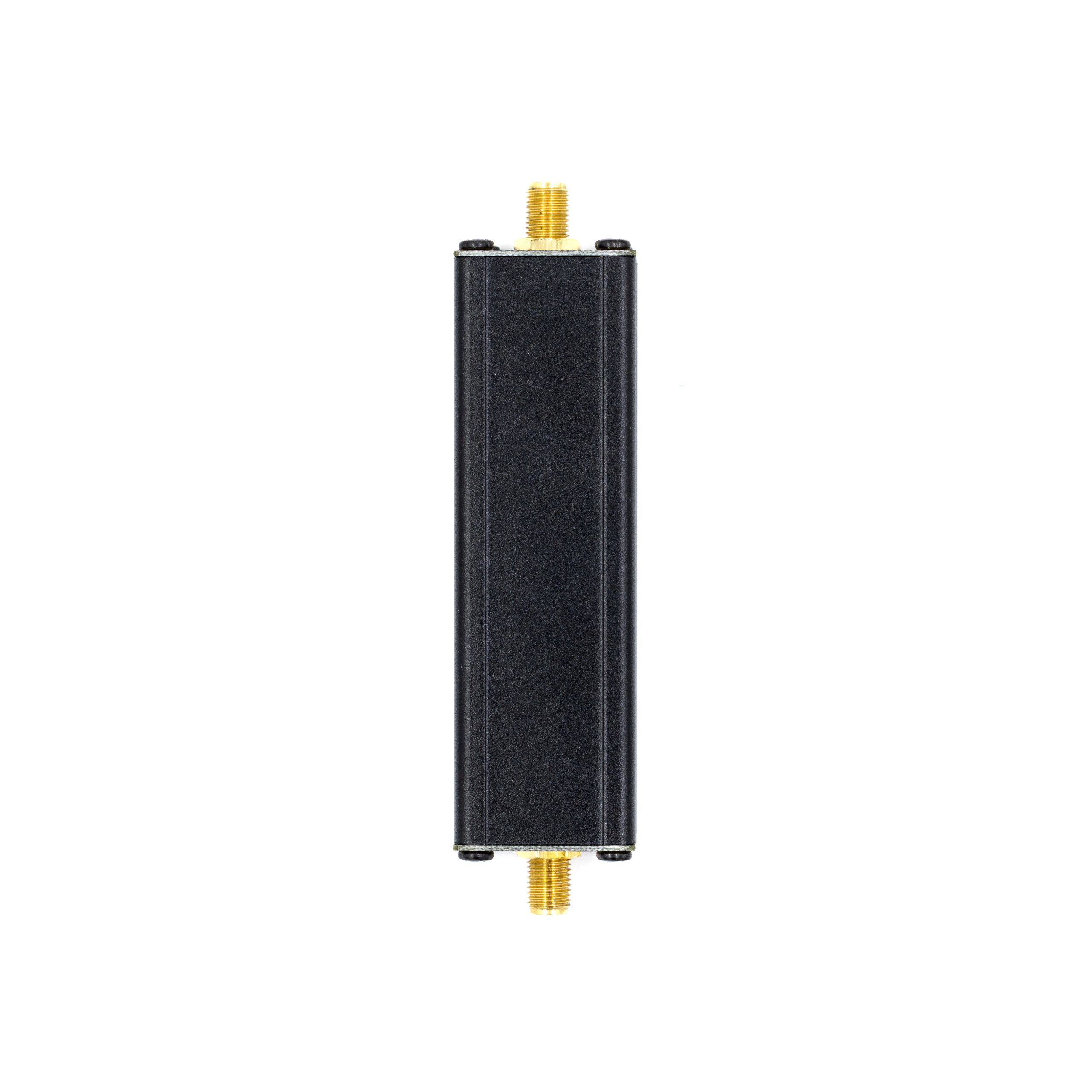
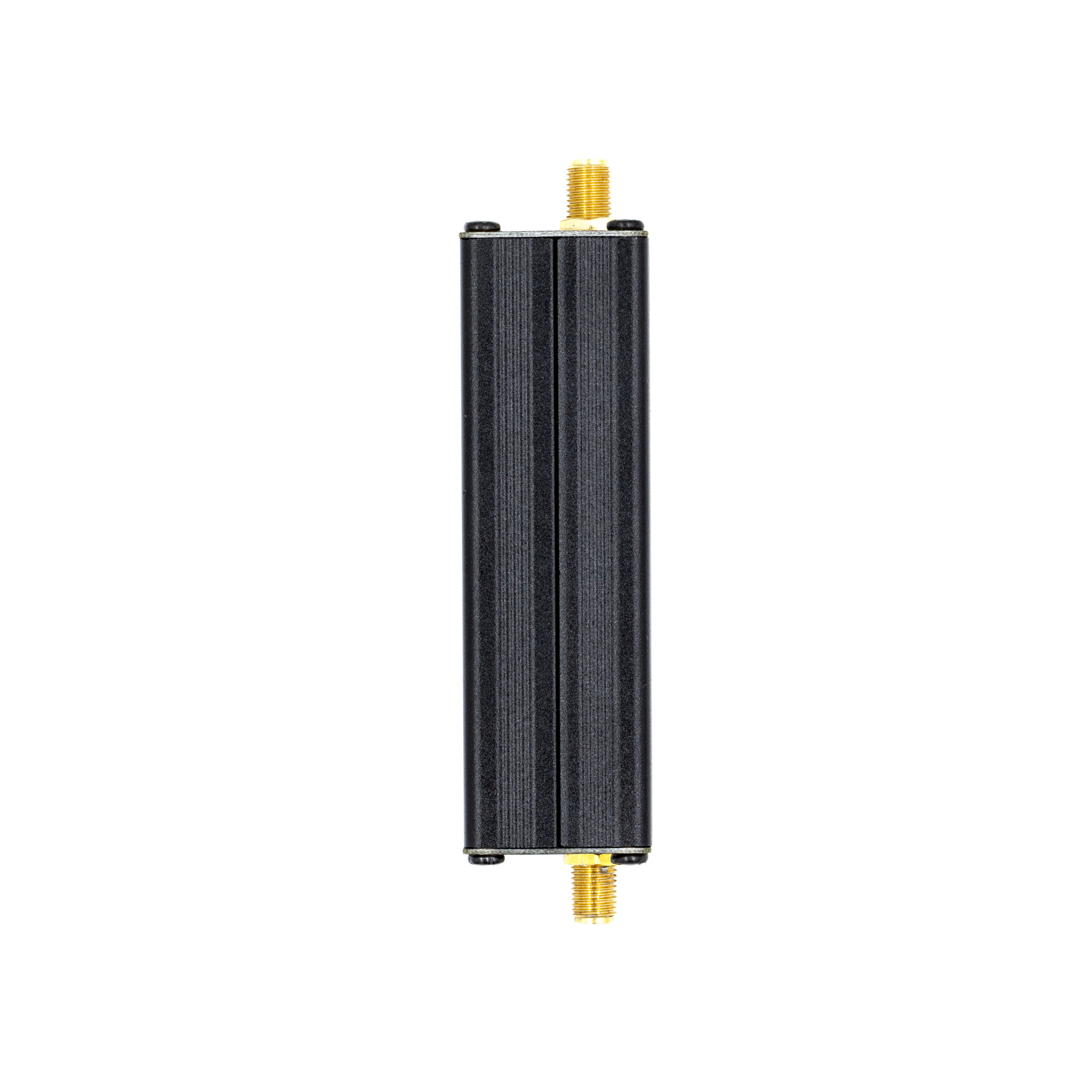
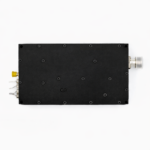
This is a Built & Tested unit, complete and encased into an RF-tight Aluminum Box
Only 4 left in stock
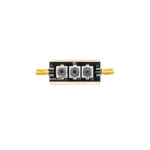
NPO CAPACITORS
Low-power Adjustable Inductors
GOOD UP TO 54 MHZ
2 – 3 DB MAX LOSS At 1.800 MHZ, -80 DBC @ 1 MHZ
This design is a 11th order Tchebyshev high-pass filter with very low ripple.
This filter is available in two versions: a low-power variant intended for receive-only applications, and a high-power variant designed to withstand continuous high-power transmission. The latter is capable of handling power levels of 1500 W or higher across all HF bands, including 50 MHz, without the need to be removed from the signal path during transmission.
The design does not rely on advanced or exotic technology. Its development was driven by the need for improved performance, as several existing low-cost commercial filters were found to be inadequate. The primary design objective was to significantly increase attenuation of the MW broadcast band (550–1600 kHz) while maintaining transparent operation across the remainder of the HF spectrum with minimal insertion loss.
During the initial design phase, the 1.8–2.0 MHz amateur band was intentionally deprioritized, as achieving both very low loss on 160 m and deep attenuation across the 550–1600 kHz range simultaneously presented significant challenges. One possible approach involved the use of an elliptic response, which offers a steep attenuation slope but is practically limited to approximately −40 dB of stopband attenuation for ease of construction and reproducibility. An alternative approach was the implementation of a high-order filter using carefully selected, high-quality components based on Chebyshev coefficients.
With the selected topology, an attenuation slope of approximately 10 dB per 100 kHz was achieved. Typical measured performance includes approximately −16 dBc attenuation at 1600 kHz (−20 dBc in some prototypes), −26 dBc at 1500 kHz, −37 dBc at 1400 kHz, and greater than −100 dBc below 800 kHz, with even higher attenuation near 550 kHz. Across the 1.8 to 54 MHz frequency range, maximum insertion loss occurs at the lower edge of the 160 m band and is limited to approximately 2–3 dB.